The question of whether dentistry is harder than medicine is a complex one with no easy answer. Both professions require extensive education and training, and both involve working with patients to improve their health. However, there are some key differences between the two professions that may make one more difficult than the other for some people.
One of the most significant differences between dentistry and medicine is the level of precision required. Dentists must be able to work with great precision in order to perform procedures such as fillings, crowns, and root canals. This requires a high level of manual dexterity and hand-eye coordination.
Another key difference between dentistry and medicine is the type of patient care that is provided. Dentists typically see patients for shorter periods of time and focus on specific oral health issues. Medical doctors, on the other hand, often see patients for longer periods of time and manage a wider range of health issues.
Ultimately, the question of whether dentistry is harder than medicine is a personal one. There is no right or wrong answer. The best way to decide which profession is right for you is to consider your own interests, skills, and personality.
Is Dentist Harder Than Doctor?
Determining which profession, dentistry or medicine, poses a greater challenge is a multifaceted inquiry that warrants exploration of various dimensions.
- Precision: Dentistry demands meticulous precision in procedures like fillings and root canals, requiring exceptional manual dexterity.
- Patient Interaction: Dentists typically engage in shorter, focused patient encounters compared to physicians who manage broader health concerns.
- Education: Both dentistry and medicine require extensive education, including specialized training and continuing professional development.
- Scope of Practice: Dentists specialize in oral healthcare, while medical doctors have a wider scope of practice encompassing various body systems.
- Stress Level: Both professions can be demanding, with dentists facing unique stressors related to working in a confined oral cavity and managing anxious patients.
- Career Outlook: Both dentistry and medicine offer promising career prospects, with a growing demand for qualified professionals in both fields.
Ultimately, the perceived difficulty of dentistry versus medicine is subjective and influenced by individual preferences, skills, and career goals. Both professions play vital roles in healthcare, requiring dedication, expertise, and a commitment to patient well-being.
Precision
The demand for precision in dentistry, particularly in procedures such as fillings and root canals, is a key factor contributing to the perceived difficulty of the profession compared to medicine. This precision requirement stems from the intricate nature of dental work, where even the slightest deviation from the desired outcome can significantly impact the patient's oral health.
- Fine Motor Skills: Dentistry requires exceptional fine motor skills and hand-eye coordination to manipulate delicate instruments within the confined space of the oral cavity.
- Anatomical Complexity: The intricate anatomy of the teeth and surrounding structures demands a deep understanding of their morphology and spatial relationships.
- Materials Handling: Dentists must possess the ability to handle and manipulate various dental materials, such as composites and ceramics, with precision to achieve optimal results.
- Patient Management: Working in close proximity to patients requires dentists to manage their movements and instruments with utmost care to avoid discomfort or harm.
The cumulative effect of these precision demands places a significant burden on dentists, requiring years of training, practice, and continuous skill refinement to achieve the necessary level of proficiency. This emphasis on precision contributes to the perception of dentistry as a challenging profession, particularly when compared to other medical fields where the margin for error may be wider.
Patient Interaction
The nature of patient interaction in dentistry differs significantly from that in medicine, contributing to the perceived difficulty of dentistry compared to medicine. Dentists typically engage in shorter, focused patient encounters, while physicians often manage broader health concerns, leading to several key differences.
- Time Constraints: Dental appointments are typically shorter in duration, ranging from 30 to 60 minutes, compared to medical appointments, which can often extend beyond an hour. This time constraint requires dentists to be highly efficient in their interactions, gathering necessary information, performing procedures, and providing patient education within a limited timeframe.
- Focus on Oral Health: Dentists focus primarily on the oral health of their patients, while physicians have a broader scope of practice encompassing various body systems. This specialization allows dentists to develop deep expertise in oral health, but it also limits the range of health concerns they can address during a single patient encounter.
- Procedural Nature: Dentistry often involves hands-on procedures such as fillings, cleanings, and extractions. These procedures require dentists to be skilled in both technical execution and patient management, as they can cause discomfort or anxiety for some patients.
- Patient Education: Dentists play a vital role in educating patients about oral hygiene practices and the importance of maintaining good oral health. However, the shorter duration of dental appointments can limit the amount of time available for comprehensive patient education compared to medical appointments.
These differences in patient interaction contribute to the perception of dentistry as a challenging profession, as it demands dentists to be highly efficient, adaptable, and skilled in managing patient expectations within a shorter time frame.
Education
The extensive education required for both dentistry and medicine, encompassing specialized training and continuous professional development, is a significant factor contributing to the perceived difficulty of these professions. Understanding the connection between education and the challenges associated with each field provides valuable insights into the complexities of these healthcare disciplines.
- Length and Rigor of Training: Dental and medical education programs are rigorous and typically span multiple years, involving a combination of classroom learning, laboratory work, and clinical rotations. The extensive duration and demanding nature of this training lay the foundation for the knowledge and skills required to practice dentistry or medicine competently.
- Specialized Knowledge: Dentists and medical doctors must acquire specialized knowledge in their respective fields. Dentists focus on the oral cavity and its structures, including teeth, gums, and surrounding tissues, while medical doctors have a broader understanding of the human body and its various systems.
- Continuing Education: The field of healthcare is constantly evolving, necessitating ongoing education for both dentists and medical doctors. Continuing professional development courses, workshops, and conferences allow practitioners to stay abreast of the latest advancements in their fields and enhance their skills.
- Licensure and Certification: Dentists and medical doctors must obtain licenses and certifications to practice, which involve passing standardized examinations and meeting specific requirements. These credentials attest to their knowledge, skills, and adherence to ethical standards.
The extensive education and training required for dentistry and medicine contribute to the challenges faced by practitioners in both fields. The need to master specialized knowledge, stay updated with advancements, and maintain licensure places a significant burden on these professionals, who are responsible for the health and well-being of their patients.
Scope of Practice
The scope of practice for dentists and medical doctors is a key factor in determining the relative difficulty of the two professions. Dentists specialize in the diagnosis, prevention, and treatment of diseases and conditions of the oral cavity, including the teeth, gums, and surrounding tissues. Medical doctors, on the other hand, have a much wider scope of practice, encompassing the diagnosis, prevention, and treatment of diseases and conditions affecting all parts of the human body.
- Breadth of Knowledge: The wider scope of practice for medical doctors requires them to have a more extensive knowledge base than dentists. They must be familiar with a vast array of medical conditions, from common ailments to complex diseases, and be able to diagnose and treat them effectively.
- Variety of Procedures: The wider scope of practice for medical doctors also means that they perform a greater variety of procedures than dentists. In addition to performing oral procedures, medical doctors may also perform surgeries, deliver babies, and provide emergency care.
- Complexity of Cases: The wider scope of practice for medical doctors means that they often deal with more complex cases than dentists. They may be called upon to treat patients with multiple medical conditions, or patients who are critically ill.
The broader scope of practice for medical doctors makes their profession more difficult than dentistry in some respects. However, it is important to note that both professions require a high level of skill and knowledge, and both play an important role in the healthcare system.
Stress Level
When comparing the difficulty of dentistry and medicine, the stress levels associated with each profession are an important consideration. While both professions can be demanding, dentists face unique stressors that contribute to the perceived difficulty of their work.
- Confined Work Environment: Dentists work in a confined oral cavity, which can lead to physical discomfort and strain. They must maintain awkward positions for extended periods, which can cause neck, back, and shoulder pain.
- Precision and Attention to Detail: Dentistry requires a high level of precision and attention to detail. Dentists must be able to perform delicate procedures in a small and often difficult-to-access area. This can be mentally and physically demanding, especially when dealing with complex cases.
- Managing Anxious Patients: Dentists often work with anxious patients. They must be able to put patients at ease, answer their questions, and address their concerns. This can be emotionally draining, especially when dealing with patients who have dental phobia.
- Time Constraints: Dentists often work under time constraints. They must complete procedures within a specific timeframe, which can add to their stress levels. This is especially true when dealing with multiple patients or complex cases.
These unique stressors contribute to the perceived difficulty of dentistry. Dentists must be able to manage these stressors effectively in order to provide high-quality care to their patients.
Career Outlook
The career outlook for both dentistry and medicine is promising, with a growing demand for qualified professionals in both fields. This is due in part to the aging population, which is leading to an increased need for healthcare services. Additionally, the rising prevalence of chronic diseases, such as diabetes and heart disease, is also increasing the demand for healthcare professionals.
- Job Growth: The U.S. Bureau of Labor Statistics projects that employment of dentists and dental hygienists will grow by 8% from 2019 to 2029, faster than the average for all occupations. Similarly, the BLS projects that employment of physicians and surgeons will grow by 4% during the same period.
- Salary Potential: Dentists and physicians are among the highest paid professionals in the United States. According to the BLS, the median annual salary for dentists was $163,220 in May 2020, while the median annual salary for physicians and surgeons was $208,000.
- Job Security: Dentistry and medicine are both essential healthcare professions, which means that there is always a need for qualified professionals. This job security is especially important in times of economic uncertainty.
The promising career outlook for both dentistry and medicine is a factor that should be considered when comparing the difficulty of the two professions. While both professions require a high level of education and training, the job outlook for both fields is positive. This means that qualified dentists and physicians will have good job opportunities and earning potential.
FAQs on "Is Dentist Harder Than Doctor"
This section addresses frequently asked questions and misconceptions regarding the perceived difficulty of dentistry compared to medicine.
Question 1: Is dentistry objectively more difficult than medicine?
Answer: The difficulty of dentistry and medicine is subjective and varies based on individual skills, preferences, and career goals. Both professions require extensive education, training, and a commitment to patient care.
Question 2: What are the unique challenges faced by dentists?
Answer: Dentists work in a confined oral cavity, requiring precision and attention to detail. They must manage anxious patients and work under time constraints, which can contribute to stress levels.
Question 3: What are the advantages of pursuing dentistry as a career?
Answer: Dentistry offers a promising career outlook, with a growing demand for qualified professionals. Dentists enjoy job security and have a high earning potential.
Question 4: What are the key differences between the education and training of dentists and physicians?
Answer: Dentists specialize in oral healthcare, while physicians have a broader scope of practice. Both professions require specialized knowledge and ongoing professional development.
Question 5: How does the nature of patient interaction differ between dentistry and medicine?
Answer: Dentists typically have shorter, focused patient encounters, while physicians manage broader health concerns. Dentists emphasize oral health education, while physicians have a wider range of patient care responsibilities.
Question 6: What factors should individuals consider when choosing between dentistry and medicine?
Answer: Consider your interests, skills, career goals, and the unique challenges and rewards of each profession to make an informed decision.
Remember that both dentistry and medicine are essential healthcare professions, and the choice between them is ultimately a personal one.
Transition to the next article section:
The following section will explore the importance of continuing professional development for dentists and physicians.
Tips for Navigating the Challenges of Dentistry and Medicine
Whether you are a dentist or a physician, navigating the challenges of your profession requires a commitment to continuous learning, adaptability, and patient-centered care. Here are some valuable tips to enhance your professional journey:
Tip 1: Embrace Continuing Professional Development
Dentistry and medicine are rapidly evolving fields, and staying abreast of the latest advancements is crucial for providing optimal patient care. Engage in continuing professional development opportunities such as conferences, workshops, and online courses to expand your knowledge and skills.
Tip 2: Cultivate Adaptability
The healthcare landscape is constantly changing, and both dentists and physicians must be adaptable to new technologies, treatment modalities, and patient expectations. Embrace change as an opportunity for growth and continuous improvement.
Tip 3: Prioritize Patient-Centered Care
At the heart of both dentistry and medicine lies the patient. Always prioritize patient-centered care by actively listening to their concerns, addressing their needs, and involving them in decision-making. Empathy and compassion are essential qualities for successful healthcare professionals.
Tip 4: Focus on Prevention
An ounce of prevention is worth a pound of cure. Emphasize preventive measures in your practice, educating patients about oral hygiene, healthy lifestyles, and disease prevention strategies. By focusing on prevention, you can help patients maintain optimal health and well-being.
Tip 5: Collaborate with Other Healthcare Professionals
Dentistry and medicine are interconnected, and collaboration among healthcare professionals is essential for providing comprehensive patient care. Build strong relationships with other dentists, physicians, and specialists to ensure a holistic approach to patient management.
Tip 6: Maintain a Healthy Work-Life Balance
The demands of dentistry and medicine can be overwhelming at times. Prioritize your physical and mental well-being by establishing a healthy work-life balance. Engage in activities that bring you joy and relaxation to prevent burnout and maintain your passion for your profession.
Tip 7: Seek Support When Needed
The challenges of dentistry and medicine can be isolating. Don't hesitate to seek support from colleagues, mentors, or professional organizations when facing difficulties. Sharing experiences and seeking guidance can provide valuable insights and emotional support.
Tip 8: Embrace Technology
Technology is transforming the healthcare industry. Stay updated with the latest technological advancements and incorporate them into your practice to enhance efficiency, improve patient outcomes, and streamline communication.
By embracing these tips, dentists and physicians can navigate the challenges of their professions with confidence, providing exceptional care to their patients and achieving professional fulfillment.
Conclusion
The question of whether dentistry is harder than medicine is a complex one with no easy answer. Both professions require extensive education and training, and both involve working with patients to improve their health. However, there are some key differences between the two professions that may make one more difficult than the other for some people.
Ultimately, the best way to decide which profession is right for you is to consider your own interests, skills, and personality. Both dentistry and medicine are rewarding careers that offer the opportunity to make a real difference in the lives of others.
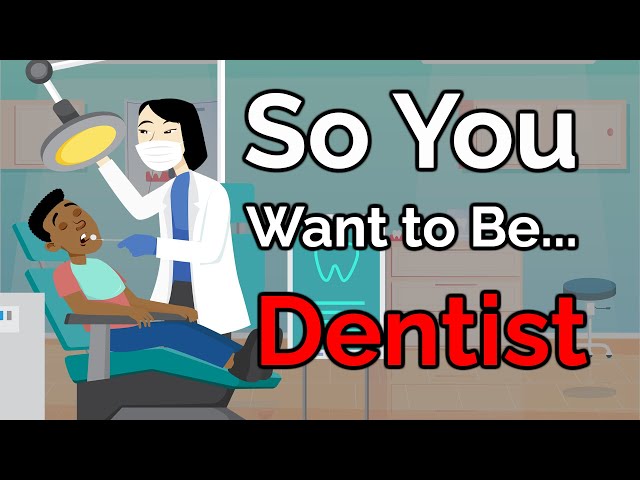
Youtube Video:


No comments:
Post a Comment